This narrative responds to an assignment that asked us to reflect on a personal experience that shaped how we understand language and identity. I wrote about returning to Bangladesh for the first time in fifteen years and what that experience taught me about language and belonging to a community. The narrative focuses on how language affects the way I see myself and how I fit in. I wrote this narrative to show that language is not just speaking correctly, but also about connection and identity. My audience is anyone interested in understanding how growing up between cultures shapes the way someone sees the world. I improved my ability to tell a clear story and use description to show my experiences rather than explain them.
Two Sides of the World
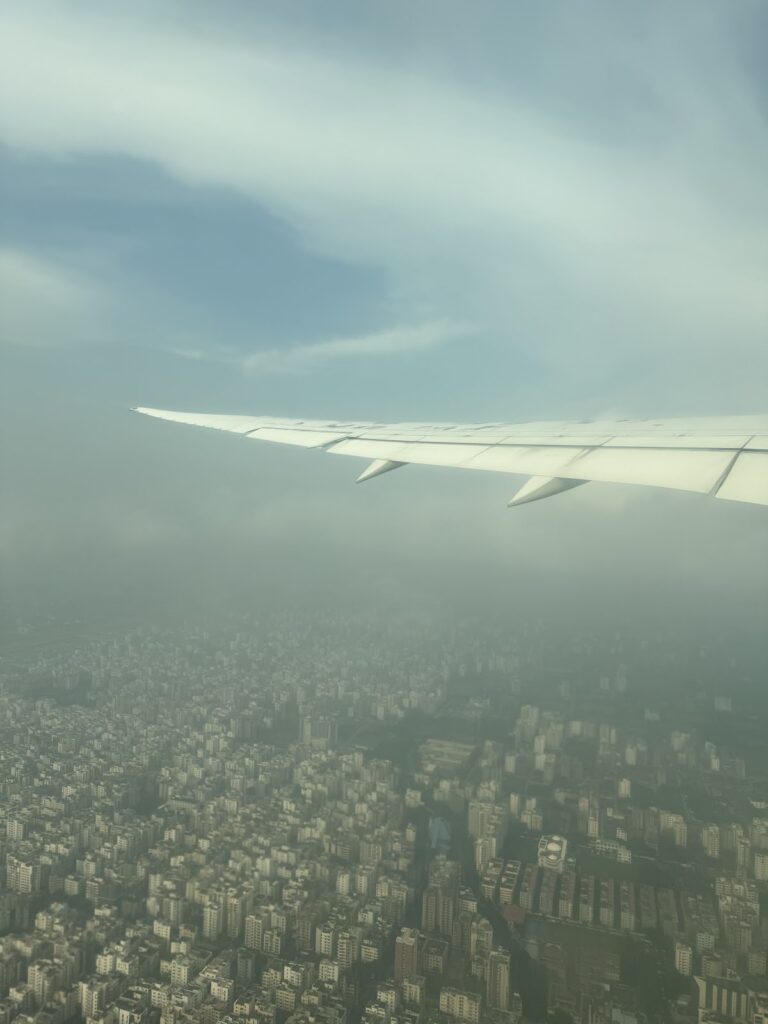
Okay, you just have to survive one month in a place you barely remember. The heat hit me the second the airplane doors opened. I just landed in Bangladesh for the first time in 15 years. I wasn’t sure what to expect. I was nervous, how was I supposed to connect with people I had never met, in a place that felt both familiar and foreign.
Outside of Shah Amanat International Airport, chaos and warmth collided. My family was waving behind the gate, calling out our names over the blare of car horns. My uncle who lives only 20 minutes away from me in NYC was grinning from ear to ear, shouting, “Welcome home!” Beside him were two other relatives I did not recognize but they were as enthusiastic as my uncle. I said Salam shyly before entering into the car that would take us to the apartment that my dad and uncle bought for the whole family.
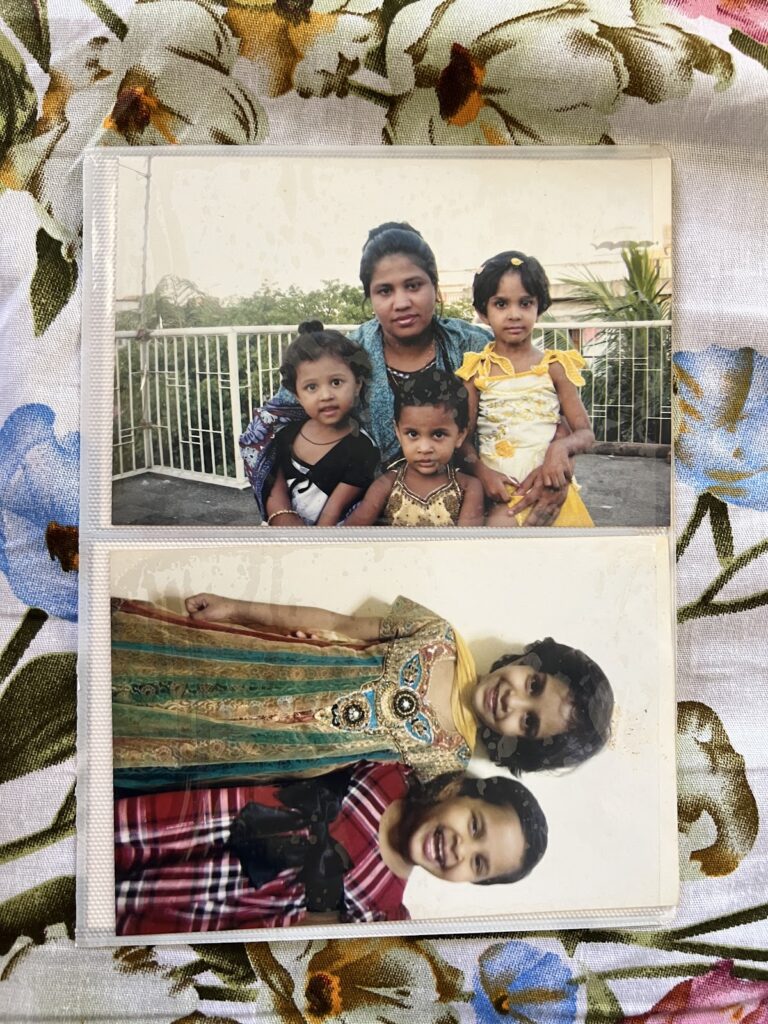
When we arrived, the house was buzzing with life. There were cousins, aunts, and uncles waiting inside, some with wide smiles and others holding trays full of snacks. Kids ran from room to room with their waterguns and the atmosphere just felt warm. My cousins started to question me and how my travels were going. I tried to speak in Bengali, but my words stumbled out awkwardly, like puzzle pieces that didn’t fit. I wasn’t sure if they understood me, so I told my mom to repeat what I said properly in Bengali.
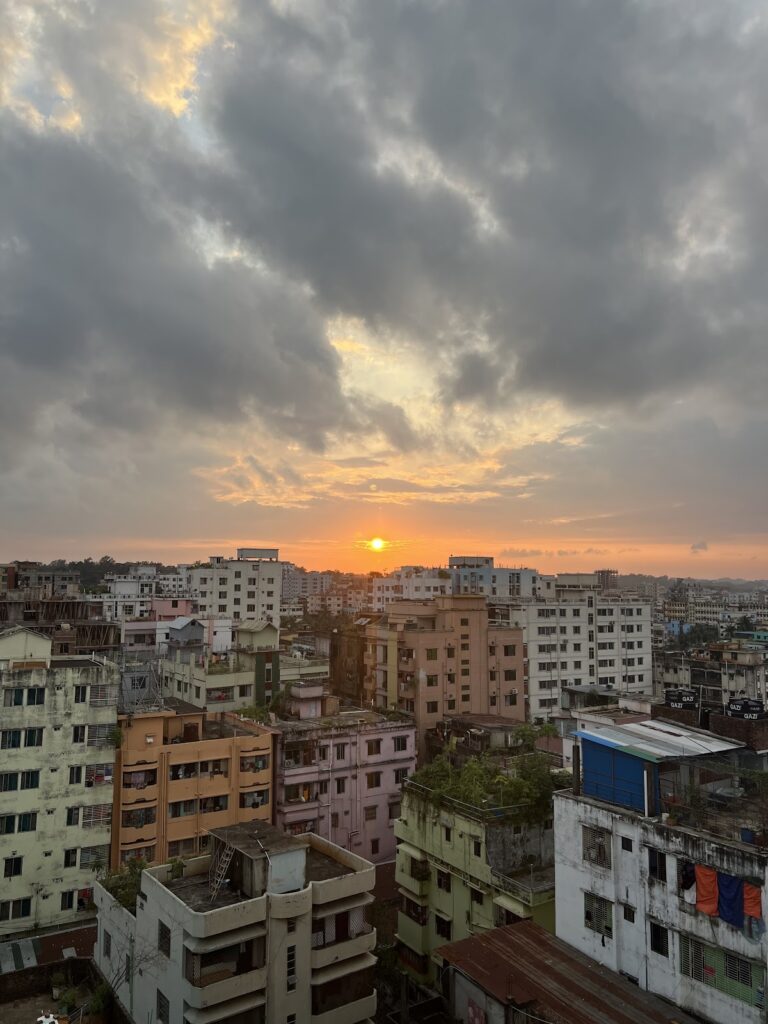
The cultural differences were small but noticeable. The heat and mosquitoes were not a problem, contrary to what people told us. The way people spoke to each other here was more hostile but it got the work done faster? There was an unfamiliar rhythm of life around me and I still couldn’t grasp it even though I was already here for three weeks at this point.
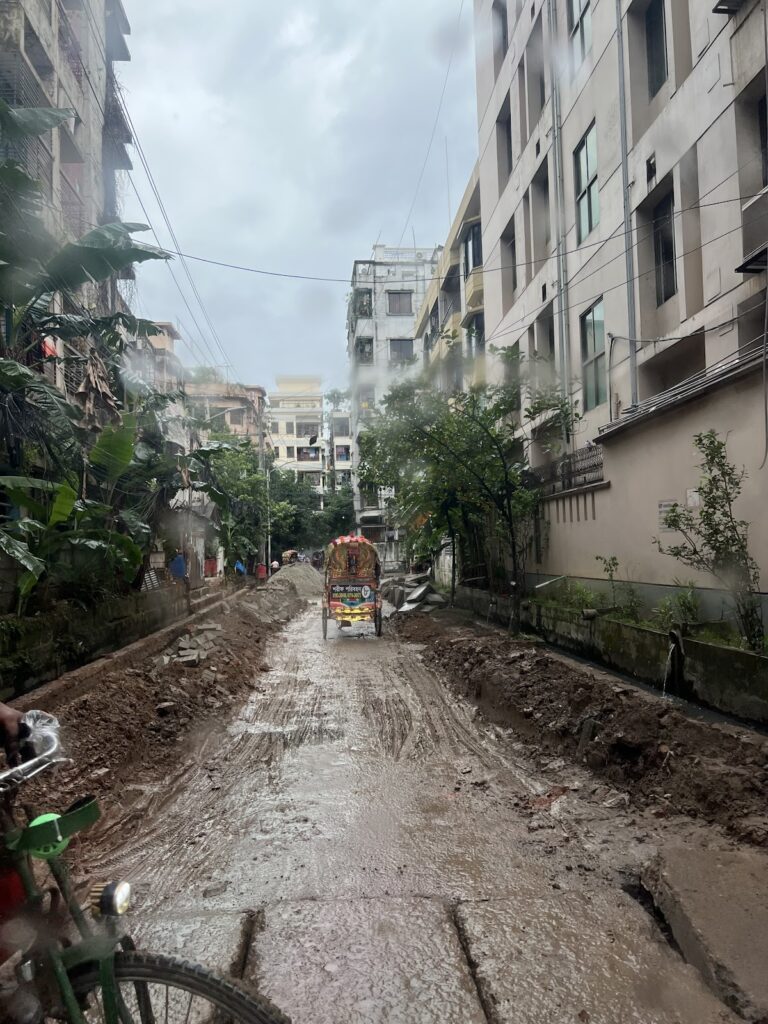
One day, we went to visit my cousin Lipee’s house. The car could not drive up to her building, so we stepped out into a narrow alley glowing with life. Vendors shouted prices over one another, their voices blending with the hum of scooters and sizzling oil. The smell of fushka carts and fried dough filled the air. My dad stopped at a stall, bargaining over a bag of snacks even though the price did not really matter to us. It made me laugh when the wonder tried using English words on us to get us to pay more. We did not fall for that trick.
We carried the warm sweet through a tunnel of colorful clothes and spices before reaching the building. The air was thick and humid, but I was surprised to see very clean concrete stairs. We climbed up to the fourth floor and were very shocked to see what was inside. It looked like a typical NYC apartment with three american toilets, that was a very big surprise. The bright curtains swayed with the breeze from a ceiling fan and I could just smell the authentic bengali tea. The first thing we did was use the bathrooms though, we could not get used to the floor toilets in this country. Lipee served us food and we met her kids, Henna and Jabar. They seemed really friendly but they only spoke in Bengali so I tried my best.
After lunch, I wandered into the kid’s study room, expecting to find shelves lined with Bengali novels or schoolbooks written in Bangla script. Instead, I was shocked. The desk was covered with thick Oxford dictionaries, English grammar workbooks, and pages of near blue ink notes. My niece Henna looked up from her notebook, smiling. “Do you want to see what I am studying?” she asked, in perfect English. Her voice was clear and her pronunciation was sharp. It was almost like speaking to an acquaintance at school. My nephew Jabar joined us, grinning as he pulled up Roblox on his laptop. He was saying the same brainrot terms I could not stop repeating in America. Within minutes, we were laughing and competing like we have known each other for years. I could not believe how easily we understood one another. I had assumed they would struggle with English, but they spoke it as confidently as I did, and yet, they also switched to Bengali without hesitation.
I did not think I would feel so connected to a place I have barely seen but I was very comfortable. Apparently it got implemented recently for everyone to take English as a language and writing class so that is why I was able to speak to my cousins very easily. Language isn’t just something we speak, it is something we use to connect. Even though I could not understand everything, I tried my best and learned a lot. I am proud to be Bengali-American. I am proud of the dual identity I have. My family has taught me that it is okay to not know something and through their care and love, language barriers do not exist anymore. I am learning to live between two languages, and finding a home in a combined version. Language gives us a way to belong everywhere, no matter the background or what side of the world you are on.

This entry is licensed under a Creative Commons Attribution-NonCommercial-ShareAlike 4.0 International license.

